

Business cards might be small, but they can make a big difference when it comes to promoting your business and building professional relationships. Whether you’re attending a networking event, meeting potential customers or visiting local businesses, knowing how to distribute business cards effectively can help you make the most of every opportunity.
However, simply handing out as many cards as possible isn’t always the best approach. What matters is getting your business card into the right hands, at the right time, and giving people a reason to keep it.
So, where should you hand out business cards, and how can you make sure they don’t end up forgotten in a drawer?
Here are five practical ways to distribute your business cards more effectively, make meaningful connections and encourage potential customers to get in touch.
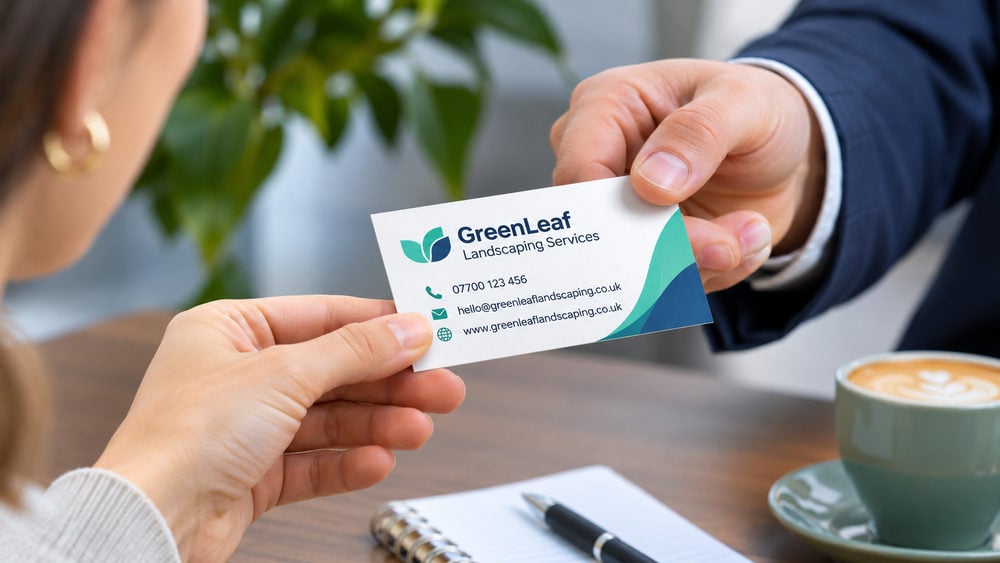
One of the most effective ways to hand out business cards is to make the exchange feel natural and relevant.
Imagine meeting someone at a business event. You introduce yourself, have a quick conversation and immediately hand them your card. They might accept it politely, but will they remember who you are or why they should contact you?
Probably not, unless you’ve given them a reason to.
Instead of offering your business card as soon as you meet someone, take a moment to understand what they do and what they’re looking for. Ask questions, listen to their answers and look for opportunities where your products or services might be helpful.
For example, if you’re a graphic designer speaking to a small business owner who needs help updating their branding, you could say:
“It was great chatting about your business. If you decide to refresh your branding, I’d be happy to help. Here’s my card so you can get in touch.”
This approach makes the exchange more memorable because your card is connected to a genuine conversation.
Build a connection first. Introduce yourself and show a genuine interest in the other person.
Choose the right moment. Offer your card when it’s relevant to the conversation, rather than immediately.
Explain what you do clearly. A short, straightforward introduction is often more effective than a lengthy sales pitch.
Keep your cards accessible. Carry a few clean, undamaged business cards in a cardholder or wallet.
Avoid being pushy. Not every conversation needs to end with exchanging contact details.
Quick tip: If someone asks for your contact information, hand over your business card confidently. It’s a natural opportunity to make a professional impression. A well-designed card also makes a difference. Clear contact details, readable text and good-quality printing help people recognise your business and find the information they need.
For more advice, read our guide to 5 things to know before printing your business cards.
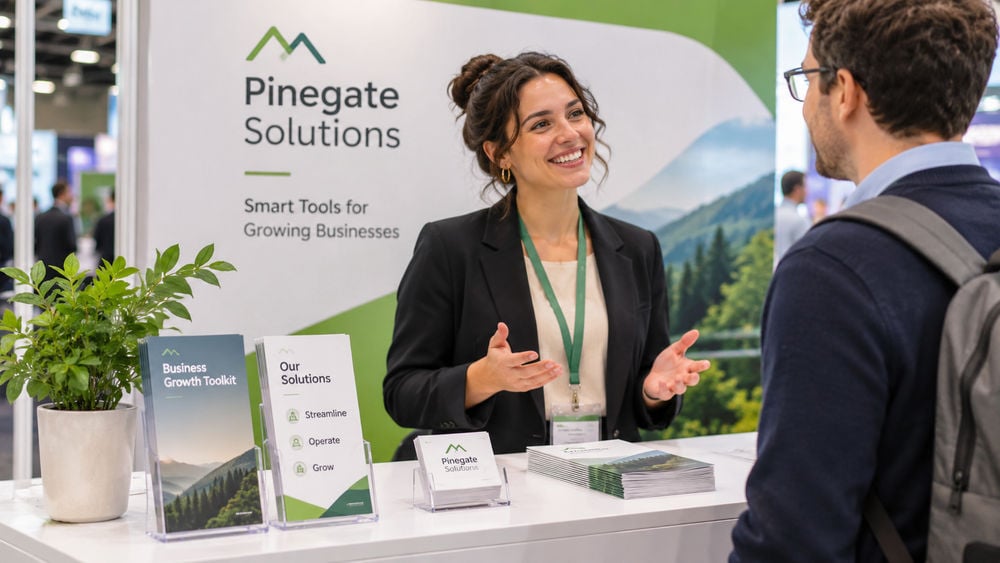
If you’re wondering where to distribute business cards, networking events, exhibitions and trade shows are excellent places to start.
These events bring together people who are actively looking to build professional relationships, discover businesses and explore new opportunities. However, the aim shouldn’t be to hand out the largest number of cards. Instead, focus on meeting people who are genuinely interested in what you offer.
Some useful opportunities include:
Local business networking meetings: Meet other business owners, freelancers and professionals in your area.
Trade shows and exhibitions: Introduce your products or services to people who already have an interest in your industry.
Business conferences: Connect with potential clients, suppliers and industry contacts.
Workshops and seminars: Exchange details with people who share similar business interests.
Community and business events: Build relationships with people who could become customers or recommend your services.
For example, a website designer attending a small business exhibition might meet several business owners looking to improve their online presence.
Rather than giving every visitor a card, they could have a short conversation about their website requirements before exchanging contact details.
This makes the interaction more useful for both people.
Before attending an event, make sure you have enough business cards to cover the conversations you’re likely to have.
Check that your telephone number, email address and website are correct. If you have a LinkedIn profile or online portfolio, consider including a QR code that makes it easier for people to connect with you.
During the event, introduce yourself naturally and take an interest in the people you meet. If the conversation goes well, offer your business card before parting ways.
Quick tip: Keep a few cards in an easily accessible pocket or cardholder, rather than searching through your bag whenever someone asks for one. The goal is to leave people with a positive impression of your business, not simply another card to carry home.
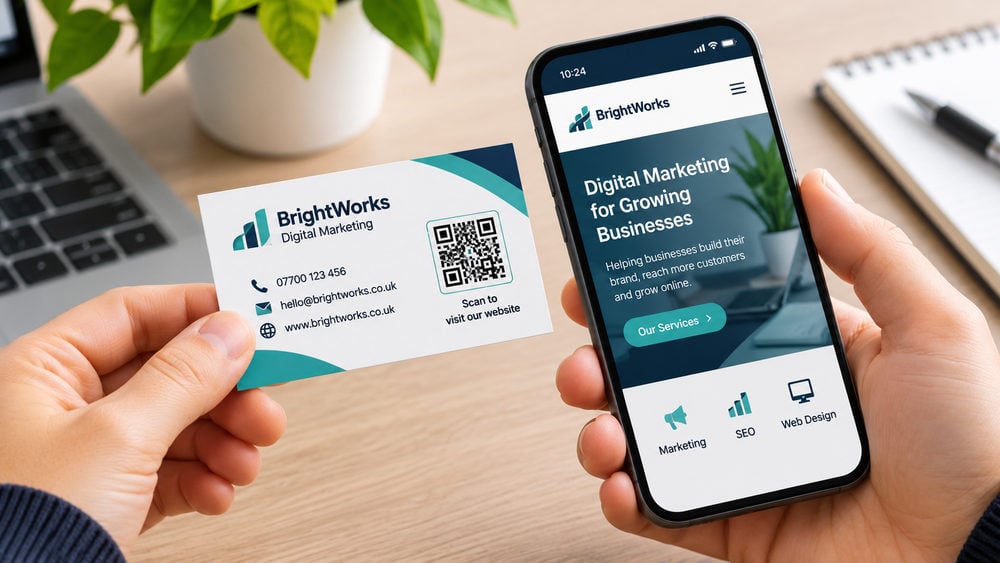
Business cards and online networking work well together. A physical card helps people remember meeting you, while your online presence gives them an easy way to learn more about your business.
For example, after meeting a potential customer, you could hand them your business card and suggest connecting on LinkedIn.
They’ll have your contact details to hand, while your LinkedIn profile gives them additional information about your experience, services and professional background.
One simple way to connect physical and digital networking is to include a QR code on your business card.
Depending on your business, your QR code could link to:
Your website or contact page.
Your LinkedIn profile.
An online portfolio showcasing previous work.
A booking or appointment page.
A digital contact card that people can save to their phones.
For example, a photographer could use a QR code to direct potential customers to their portfolio. A beauty therapist might link to an online booking page, while a tradesperson could link to a website displaying their services and customer reviews.
Make sure the QR code is large enough to scan, has good contrast and leads to a mobile-friendly page.
If you’ve exchanged details with someone at a networking event, a short LinkedIn message can help continue the conversation.
You could write:
“It was lovely meeting you at the business event yesterday. I enjoyed hearing about your plans and thought it would be great to stay connected.”
Keep the message friendly and personal rather than turning it into an immediate sales pitch.
Quick tip: Don’t overcrowd your business card with every social media account you use. Include the platforms most relevant to your customers and make sure your main contact information remains easy to read.
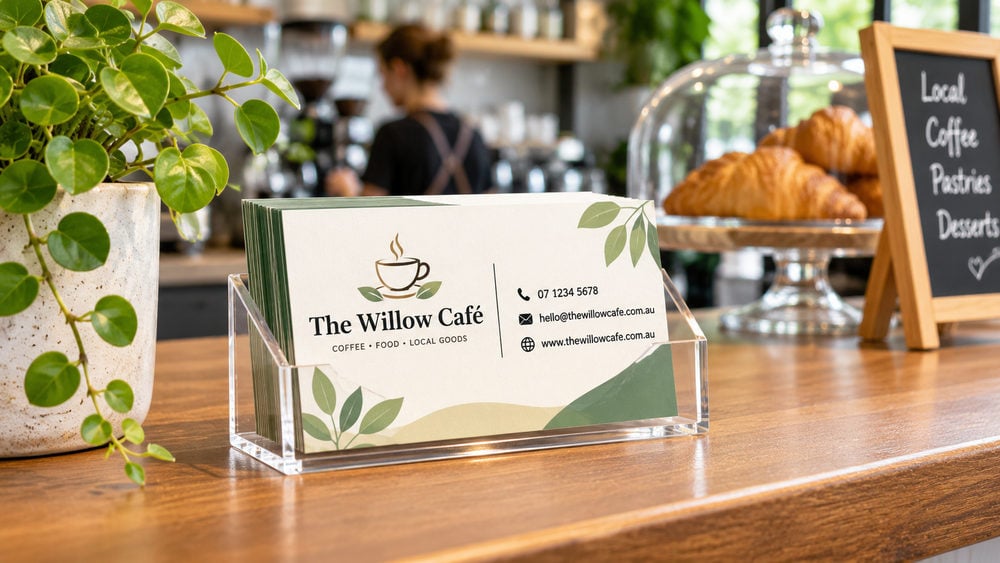
You don’t always need to meet someone in person to get your business card noticed.
Leaving business cards in suitable locations can help introduce your services to people who may need them in the future.
The key is to choose places where your ideal customers are likely to visit, rather than leaving cards everywhere.
Here are some locations worth considering:
Some independent cafés have community noticeboards or designated areas for local business information.
If the owner agrees, you may be able to leave a small number of business cards for customers to take.
Salons, studios and other service-based businesses may be willing to display cards for complementary local services.
For example, a wedding photographer might arrange to leave business cards at a bridal boutique.
These locations attract freelancers, start-ups and small business owners who may need professional services such as accountancy, graphic design or website development.
Partnering with businesses that serve a similar audience can be particularly useful.
For example:
A plumber could exchange business cards with a local electrician.
A personal trainer could work with a physiotherapy clinic.
A wedding photographer could exchange cards with a florist.
A gardener could leave cards with an independent garden centre, with permission.
These arrangements work best when both businesses are happy to recommend one another and the services are relevant to their customers.
If a business agrees to display your cards, consider using a small, tidy business card holder. Make sure your contact information is clearly visible and check occasionally whether the cards need replenishing. Always ask permission before leaving marketing materials on someone else’s premises.
Quick tip: Start with a handful of carefully chosen locations. Keep track of where you leave your business cards and ask new customers how they heard about you. This can help you identify which locations generate enquiries.
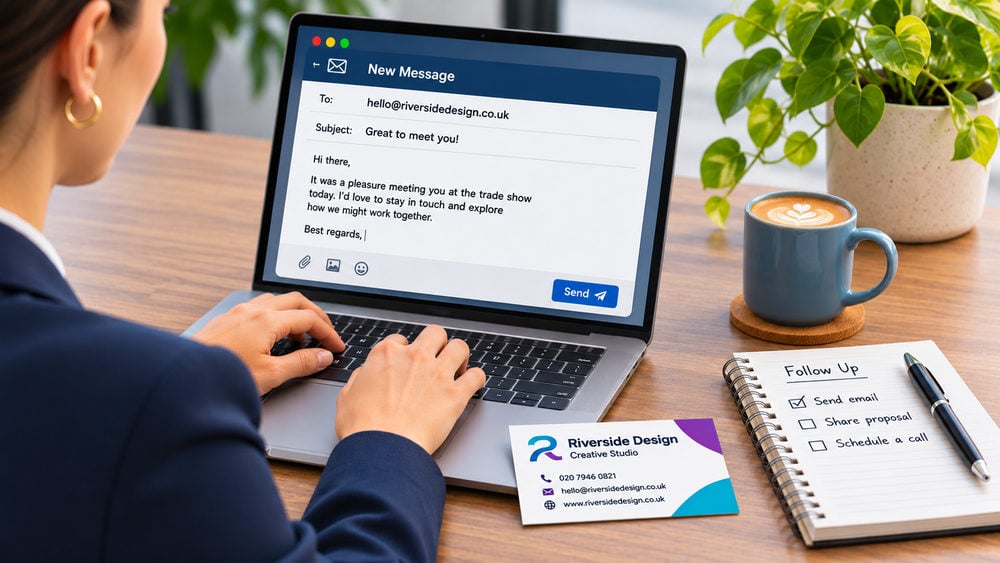
Handing over your business card is often just the beginning of a professional relationship.
If you’ve had a useful conversation with a potential customer or business contact, following up can help turn that initial meeting into an opportunity.
Without a follow-up, even a promising conversation can be forgotten as people get caught up in their everyday work.
For most professional networking situations, sending a short message within a day or two is a sensible approach.
You don’t need to contact everyone you meet. Focus on people you’ve had meaningful conversations with and who have expressed an interest in staying in touch.
For example, if you meet a potential customer at a trade show who asks about your services, you could send:
“Hi Sara, it was great meeting you at the exhibition on Thursday. I enjoyed hearing about your new business. As promised, here’s a link to the services we discussed. Feel free to get in touch if you have any questions.”
This is much more personal than sending a generic sales message.
A good follow-up should:
Remind the person where you met.
Mention something specific from your conversation.
Provide any information you promised.
Suggest a next step, if appropriate.
Be friendly, clear and respectful.
You can also keep brief notes after networking events to help you remember the people you’ve met and the topics you discussed.
Remember that receiving someone’s business card doesn’t automatically mean they’ve agreed to receive marketing emails. Keep individual follow-ups relevant to your conversation and respect their communication preferences.
Quick tip: If someone contacts you after receiving your business card, respond promptly and make it easy for them to find out more about your products or services.
Even the best distribution strategy won’t help much if your business card is difficult to read or contains outdated information. Before handing out your cards, take a few minutes to check that they’re ready to represent your business.
Your business card should include the most important details, such as your business name, logo, telephone number, email address and website. You may also want to include your job title, a short description of your services or a QR code.
Keep the design clean and avoid using text that’s too small to read comfortably.
Different businesses have different requirements.
For everyday networking, standard business cards are often all you need. If you’re looking for something more distinctive, you could consider a thicker card stock, a laminated finish or a special design feature.
At Cheap as Prints, we offer a range of business card printing options to suit different styles and budgets.
These include:
Economy business cards for affordable everyday networking.
Laminated business cards for an attractive, protective finish.
Spot UV business cards for highlighting selected design elements.
Recycled and uncoated business cards for a different look and feel.
Whatever style you choose, your business card should make your contact information easy to find and help people recognise your brand.
Distributing business cards effectively isn’t about handing out hundreds and hoping someone gets in touch. It’s about making meaningful connections and giving the right people an easy way to remember your business.
Whether you’re attending networking events, building relationships with local businesses or connecting with potential customers online, a thoughtful approach can make your business cards much more useful.
Focus on starting genuine conversations, choosing the right places to distribute your cards and following up when it makes sense.
And remember, the quality and design of your business card matter too. A professional-looking card helps create a positive impression and makes it easier for customers to recognise your brand.
We use cookies to enhance your experience. By continuing, you agree to our Privacy Policy.
Select which cookies you want to allow:
Save 5% on your order when you subsribe to our newsletter.
